
My Mom Died On My Birthday & Everything Fell Apart
Jobina Lloyd
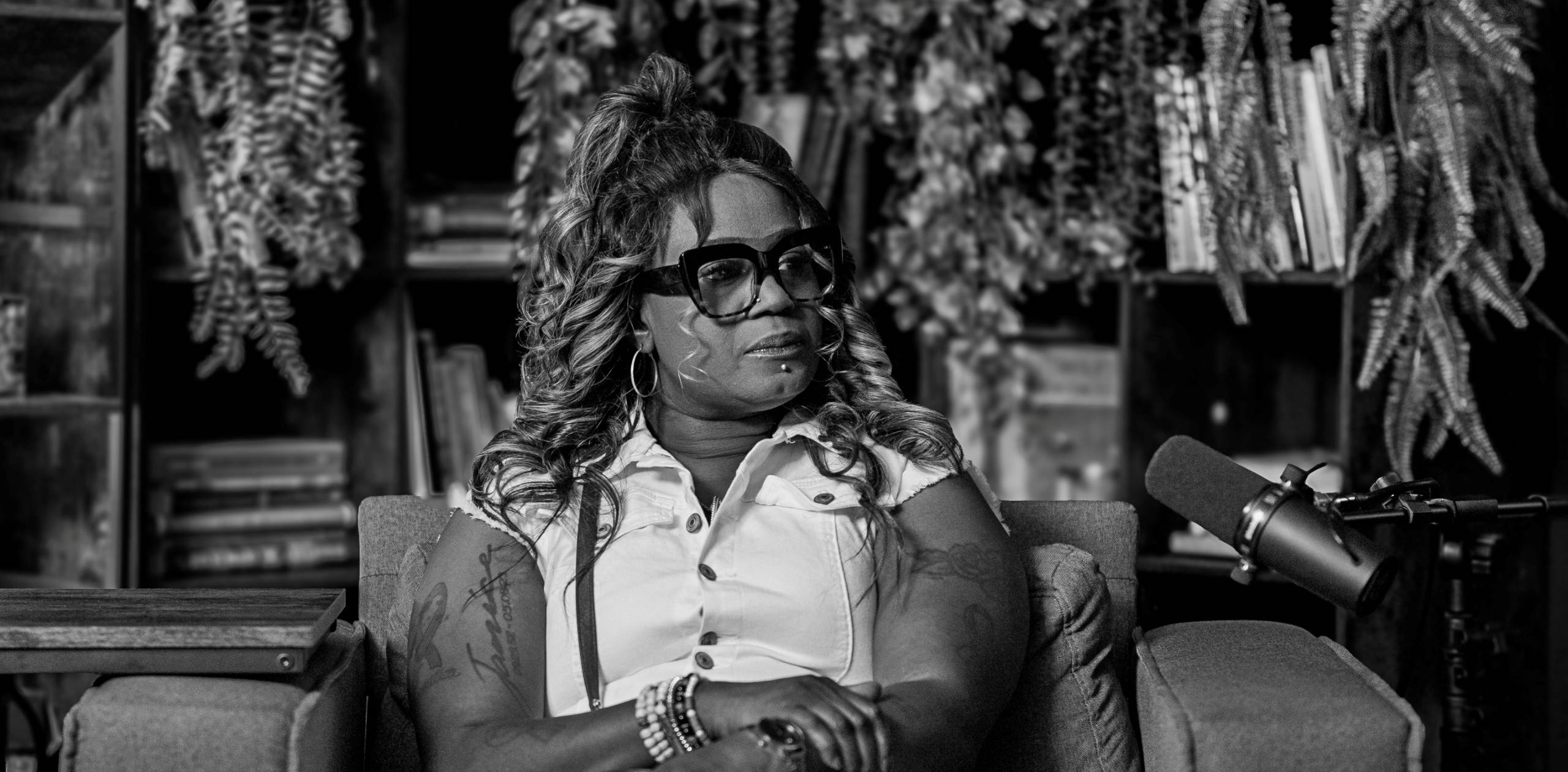
May 8 was supposed to be Jobina Lloyd's birthday.
That morning, her mother called to tell her happy birthday. They talked. They said they loved each other. It was the kind of conversation that probably would have blended into thousands of other conversations between a mother and daughter.
About 30 minutes later, Jobina's father called screaming.
Her mother had collapsed.
By the time Jobina arrived at the hospital, doctors had been trying to save her mother after a massive heart attack. Eventually, her family heard the words nobody is prepared for: there was nothing more they could do.
Jobina's mother died on her birthday.
For Jobina, that moment became a dividing line. There was who she was before May 8, 2023, and who she became after it.
Her mother wasn't simply someone she loved. She had been present throughout Jobina's life, supporting her through motherhood, relationships, work, and the ordinary moments that make someone feel like home.
Then suddenly, she was gone.
But Jobina barely had time to understand what losing her meant before other parts of her life began falling apart.
She watched her father struggle emotionally after losing the woman he had spent more than 50 years with. Family conflict developed around property. Probate and legal disputes followed. Jobina says she found herself fighting over a home she had invested significant money into while also trying to understand the complicated issues surrounding her mother's property.
Eventually, that conflict reached Jobina's front door.
While she was at work, she received alerts from her home security cameras. She rushed home and says she discovered the locks had been changed. She was given minutes to gather what she could and leave.
And she wasn't thinking only about herself.
She was thinking about her son.
His clothes. His football equipment. Where he would sleep. How she could make wherever they went next feel like home.
That's what survival does.
It takes whatever emotion was demanding your attention and replaces it with the next emergency.
Jobina still needed to grieve her mother.
But there was always something else that needed her first.
The Room We Clean: Interrupted Grief
We often talk about grief as if life creates space for it.
Someone dies. You mourn. People surround you. Time passes. Slowly, you begin putting the pieces back together.
But life doesn't always cooperate like that.
Sometimes you lose someone on Monday and still have to be a parent on Tuesday.
Sometimes the funeral ends and the paperwork begins.
Sometimes you're grieving while trying to keep your house, your job, your marriage, your children, or yourself together.
The grief hasn't disappeared.
Survival has simply become louder.
That's what makes interrupted grief such a difficult room to recognize.
From the outside, you may look functional. You're going to work. You're answering calls. You're taking care of everybody. You may even smile, laugh, and have moments where you seem completely fine.
Meanwhile, something inside you is still standing where everything changed.
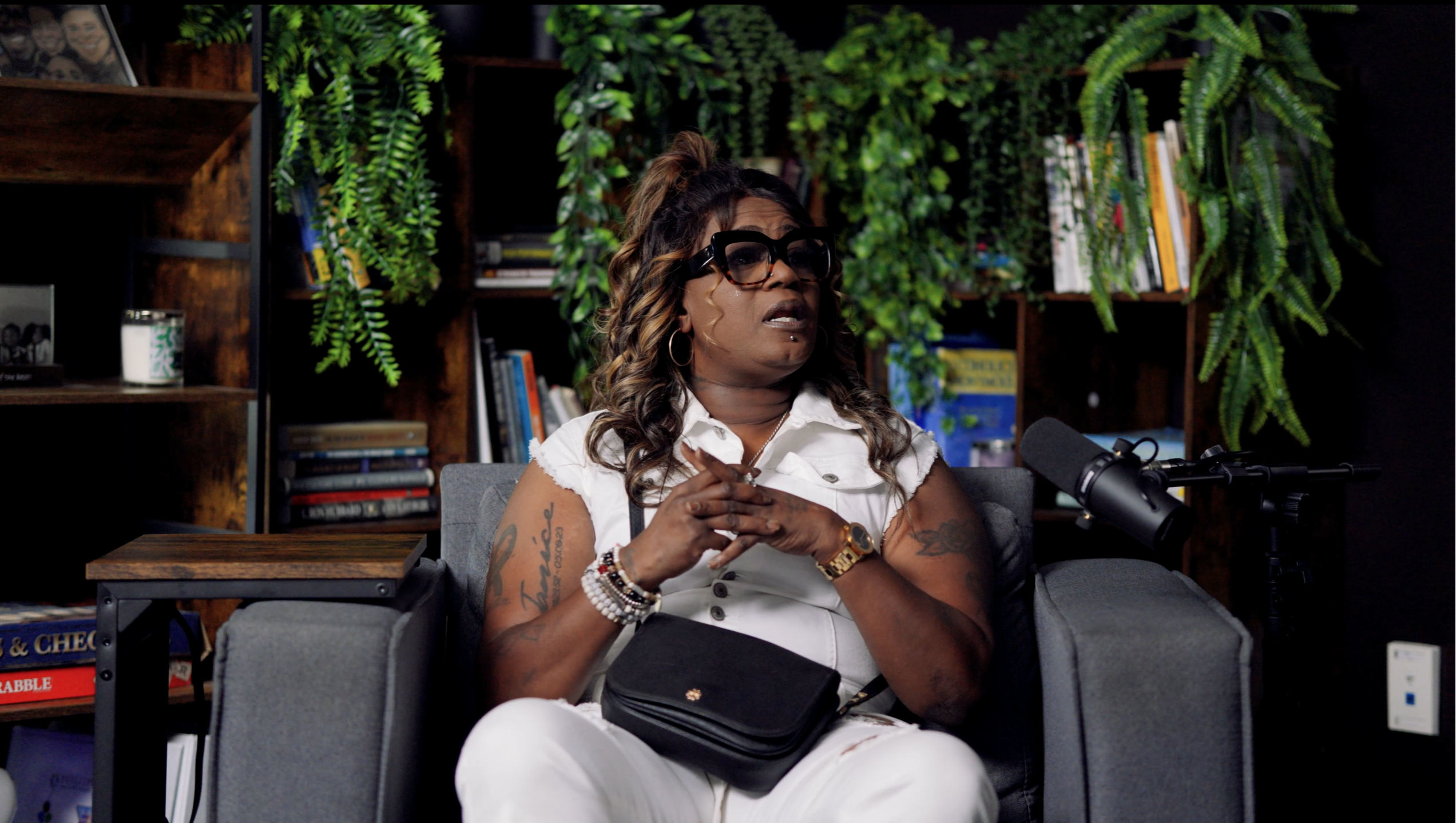
Jobina talks openly about crying regularly while people around her see someone who appears okay. She doesn't present herself as someone who has figured grief out. More than three years later, she says she is still trying to understand how to live with what happened.
Near the end of our conversation, she told me something that stayed with me.
Some of her mother's belongings were brought to her after she died.
Jobina has never opened them.
She walks past them every day.
I don't know what those boxes mean for Jobina, and it wouldn't be fair for me to decide that for her.
But I do know a lot of us have boxes we haven't opened.
Maybe yours isn't sitting in your house.
Maybe it's the death you had to stay strong through because everyone else was falling apart.
The divorce you never really mourned because your children needed you.
The betrayal followed immediately by another crisis.
The version of your life that disappeared before you had time to understand that it was gone.
Sometimes we call ourselves avoidant when the reality is more complicated.
You may not have refused to grieve.
You may have never felt safe enough to stop surviving.
And eventually, survival can become so familiar that we forget there is still a room behind us waiting to be cleaned.

Therapist Perspective
As a therapist, one of the things I think we misunderstand about grief is how much emotional capacity it requires.
There is a difference between not wanting to deal with something and simply not having the capacity to deal with it yet.
When your life is unstable, your mind naturally pays attention to what needs to happen next. Where are we going to live? How do I protect my children? How do I pay for this? Who do I need to call? What problem is waiting for me tomorrow?
Those questions don't mean the grief went away.
They mean survival got louder.
You Can Function and Still Be Hurting
This is important because we often use functioning as evidence that someone is okay.
They went back to work.
They're taking care of their children.
They're laughing again.
They're handling responsibilities.
So we assume they're doing better.
But functioning and processing are not the same thing.
Sometimes the person who looks incredibly strong is strong because life hasn't given them another option. They have learned how to carry the pain while continuing to do what needs to be done.
That ability can help someone survive an incredibly difficult season.
But surviving something does not automatically mean you've processed what happened.
Sometimes You're Grieving More Than the Person
Grief can also become more complicated when one loss creates several others.
You can lose someone you love and also lose routines, relationships, traditions, financial stability, a sense of safety, or the future you imagined having with that person.
That's part of what makes Jobina's story so layered.
Her mother's death was the original loss, but it wasn't the only thing that changed afterward.
For those of us listening, I think that's worth considering.
When you think about something you've struggled to move forward from, ask yourself:
What else did I lose when that happened?
Sometimes understanding your grief means recognizing that you've been mourning more than one thing.
Creating Space for What Survival Postponed
Eventually, there may come a point when the emergencies slow down.
That's when something unexpected can happen.
The feelings you thought you had moved past can still be there.
That doesn't necessarily mean you've gone backward. It may mean you finally have enough room to notice what survival required you to put down.
This is where intentionally creating space can matter.
For some people, that may mean talking with a therapist. For others, it might mean finally having an honest conversation with someone they trust, writing about what happened, creating a ritual around the person or life they lost, allowing themselves to cry without immediately shutting it down, or slowly approaching memories they've spent years keeping at a distance.
There isn't one correct way to do this.
And there isn't a deadline.
The question I would leave you with is simpler:
What did you never get the chance to grieve because you were too busy surviving it?
Maybe there is still a box somewhere in your room.
You don't have to rip it open today.
But healing may begin with acknowledging that it's there.
Jobina's story doesn't end with everything neatly resolved. That's part of why I think this conversation matters. She is still navigating grief, anger, loss, and the aftermath of a day that changed her life.
Sometimes cleaning your room begins there.
Not with pretending you've moved on.
With finally recognizing what you've been carrying.
Watch the full episode of Clean Your Room with Payton Hogan to hear Jobina Lloyd tell her story in her own words.
When you clean your room, you can change your life.
Payton Hogan MS, LIMHP