
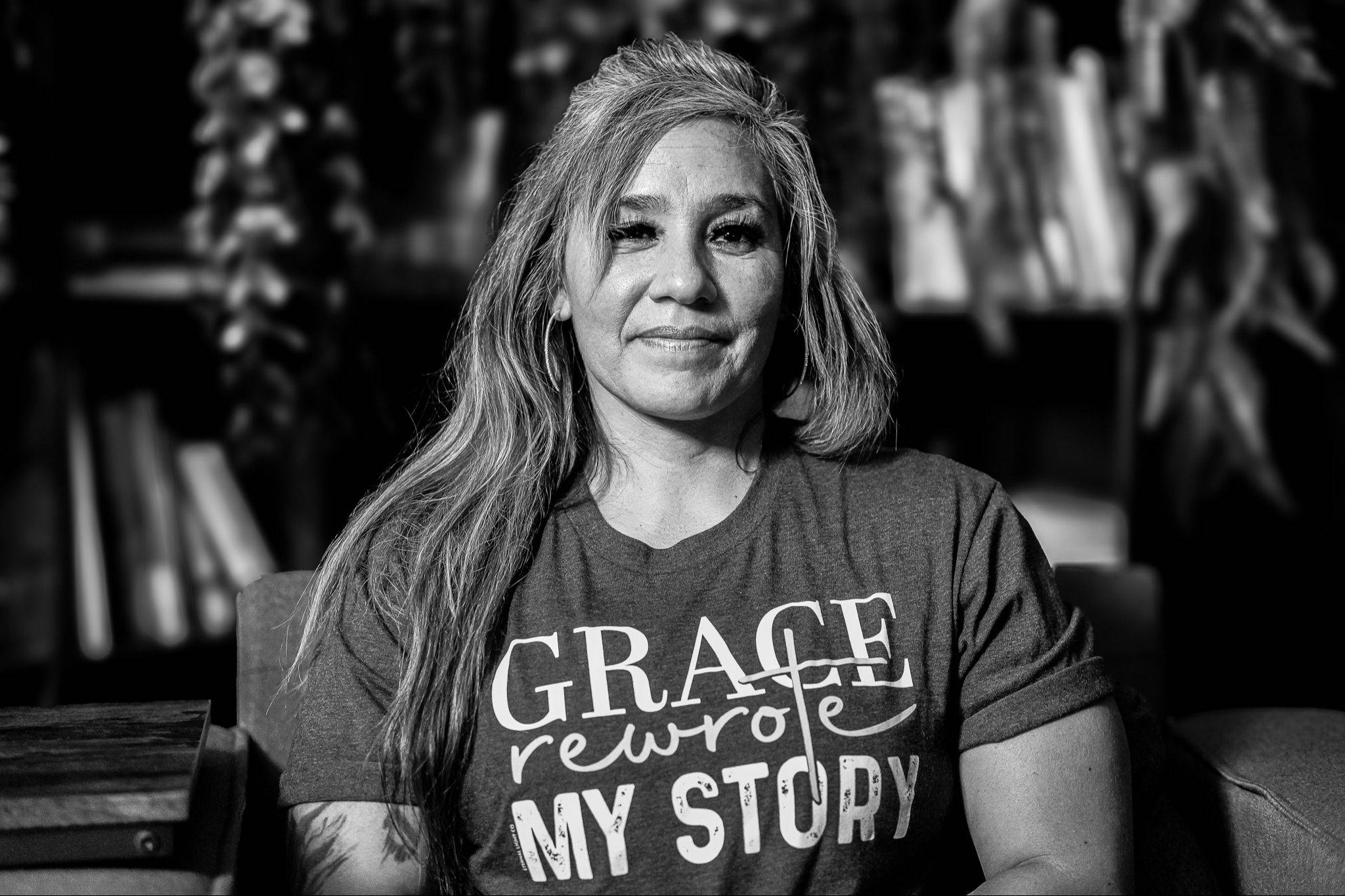
I Had To Become Numb To Survive
Ruth Dolan
There are some environments where feeling everything in real time is a luxury.
For Ruth Dolan, combat was one of them.
Ruth served in the United States Army, including deployments to Afghanistan and Iraq. She became airborne, served alongside some of the military's elite units, and built a career she remains proud of today. Being a soldier was not simply something Ruth did. Eventually, it became part of how she understood who she was.
But becoming that soldier required learning how to put certain parts of herself somewhere else.
During her first deployment to Afghanistan, Ruth's son was six months old. She remembers trying to talk about how much she missed him and being reminded by an officer that everyone there had left somebody behind. There was a mission in front of them. Whatever was happening emotionally had to wait.
So Ruth learned to put it in a box.
The fear. The grief. Missing her child. The things she witnessed. The things she could not unsee.
She describes being in Iraq when a catastrophically injured soldier was brought into a medical tent. She remembers his body. She remembers how unreal it looked.
Then she had to leave so the medical team could work and continue doing what soldiers in combat are trained to do: focus on the mission.
There was another part of Ruth sitting thousands of miles away from the battlefield.
A mother.
She missed her oldest son's first steps, crawling, and first birthday. Later, during another deployment, he was three years old when she would hear him on the phone saying, "mama, come home." When she finally did, Ruth remembers him wanting almost nothing to do with her because he was angry she had left.
Her son may not remember those years.
Ruth does.
And somehow she had to hold both realities at once.
She wanted to be his mother. She also wanted to be a soldier. She wanted to be home, yet part of her wanted to return to combat and stand beside the brothers and sisters she had learned to fight alongside.
That tension is what makes Ruth's story about more than war.
Because eventually the question becomes less about how someone learns to survive an environment like combat and more about what happens when the version of you that knows how to survive becomes the version of you that doesn't know how to stop surviving.
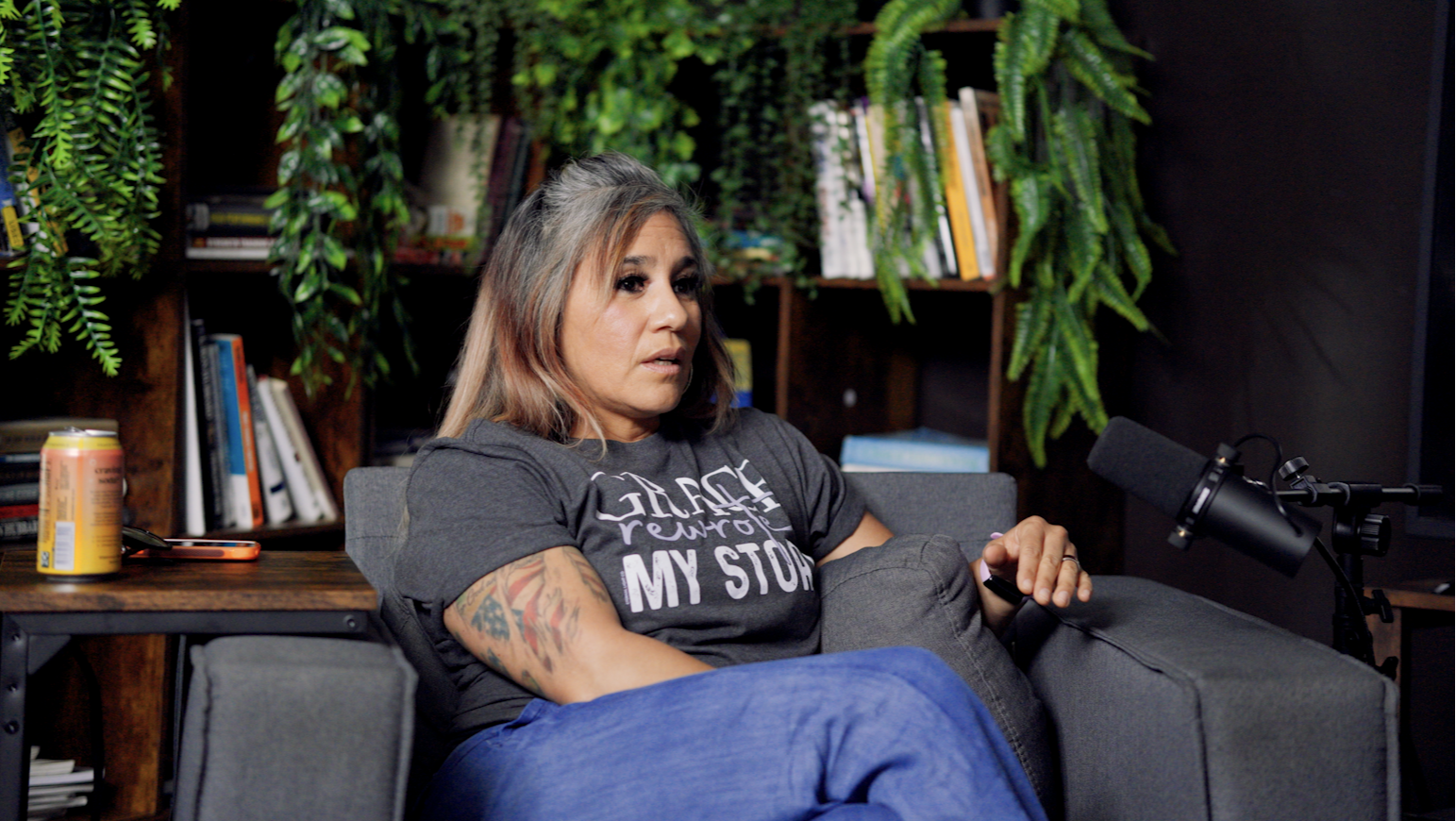
The Room We Clean: Emotional Disconnection
We usually talk about emotional numbness like something has gone wrong.
Sometimes, however, not feeling everything is exactly how someone makes it through.
There are moments when your mind seems to understand something before you do: We cannot deal with this right now.
So it gets stored.
Maybe you grew up in a home where being emotional wasn't safe. Maybe nobody explicitly told you not to feel, but you learned quickly that crying changed nothing. Maybe there was chaos around you and somebody still needed to keep things together. Maybe you experienced loss while bills still needed to be paid and children still needed breakfast the next morning.
Or maybe, like Ruth, being fully present wasn't metaphorically about survival. It could literally keep you alive.
That is part of what makes emotional disconnection complicated.
The ability to compartmentalize can be incredibly useful. We all do it to some degree. There are moments when we have to temporarily separate ourselves from what we're feeling so we can handle what is directly in front of us.
The problem is not always that we learned how to close the door.
Sometimes the problem is that nobody ever taught us how to open it again.
Ruth's story made me think about how easily something protective can become part of our identity.
She describes being raised with an expectation that difficult things were something you got over. She remembers being expected to suppress things, know better, and continue moving forward.
Then she entered an environment where that ability wasn't merely useful. It was rewarded.
Keep moving.
Stay focused.
Complete the mission.
Don't fall apart here.
There is a strength in being able to do that. I don't think we should pretend otherwise.
But what happens when you come home?
What happens when the person sitting across from you isn't the enemy, but your spouse? What happens when there isn't another mission waiting for you, but there is grief? What happens when your children need access to the parts of you that you spent years learning how to protect? What happens when your body is home, but some part of your mind is still operating according to rules written somewhere else?
Maybe your battlefield looks nothing like Ruth's.
Maybe the room you learned to survive was your childhood home. A relationship. A divorce. Poverty. Loss. Addiction in your family. Years of being the person everyone depended on.
You survived by learning what could be felt now and what needed to be dealt with later.
Except later kept getting pushed further away.
Eventually, you can live around something for so long that you stop noticing you've been avoiding it.
That doesn't necessarily mean your survival strategy failed.
It may mean it worked incredibly well.
It got you here.
The question now is whether you still need it.
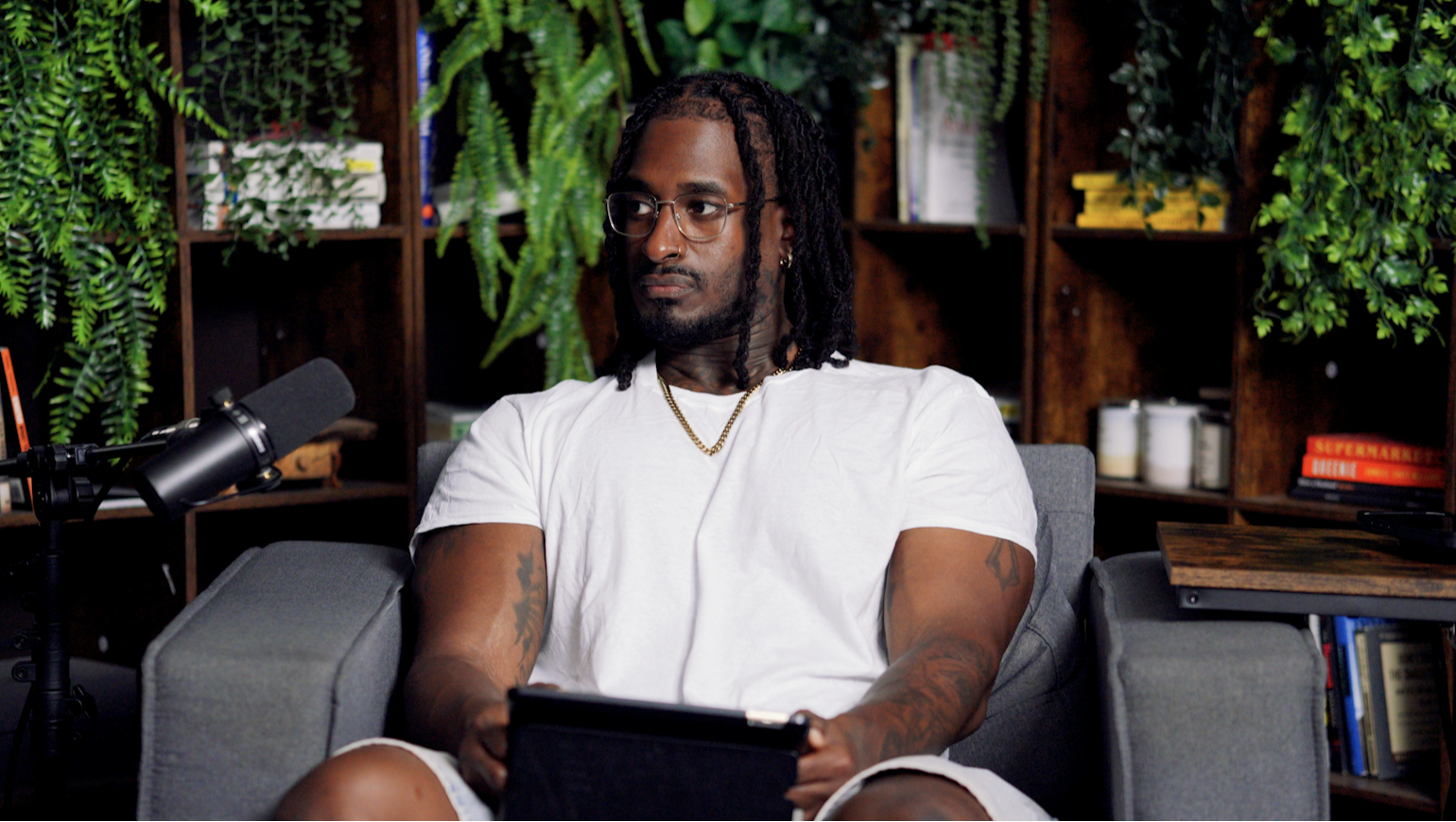
Therapist Perspective
As I listened to Ruth describe putting things into a box, one thing kept standing out to me: we have to be careful about labeling every form of emotional disconnection as unhealthy.
Context matters.
If you are in an environment where stopping to process everything you are experiencing could interfere with your ability to function, compartmentalization can serve a purpose. Ruth describes this pretty clearly. She was in combat. There was another mission coming. People around her depended on her being present, and being present could quite literally help keep her alive.
The difficulty can come when the environment changes but the survival strategy doesn't.
You can leave the battlefield without your mind immediately understanding that the battle is over.
Ruth talks about some of what she experienced returning after retirement through nightmares and PTSD. For people who have experienced trauma, this can sometimes show up through intrusive memories, nightmares, hypervigilance, avoidance, emotional numbing, irritability, difficulty concentrating, or feeling disconnected from people and experiences that once mattered to them.
That does not mean everyone who disconnects emotionally has PTSD. It means our minds and bodies can become accustomed to responding to the environments we repeatedly place them in.
I think this extends beyond combat.
I've worked with enough people as a therapist to know that sometimes the strongest person in the room is also the person who has become incredibly skilled at not needing anything.
The caretaker.
The provider.
The protector.
The person everybody calls when something goes wrong.
The person who can walk into chaos and immediately figure out what needs to happen next.
Those identities can become difficult to separate from because they have often been reinforced for years. Ruth talks openly about this with being a soldier. She didn't simply serve in the military. Being a soldier became part of her identity.
So what happens when the mission changes?
Sometimes there can be an uncomfortable period where the person you've needed to be and the person your current life requires are no longer exactly the same.
And I think there is something important here that we don't talk about enough.
You don't have to hate the person you became to survive.
Ruth is still proud of her military career. She doesn't tell this story as though everything about that version of herself was wrong.
I think we can hold two things at the same time.
A coping mechanism may have protected you.
And you may eventually outgrow your need for it.
Part of healing can be learning to recognize when you're safe enough to feel something you previously couldn't afford to feel.
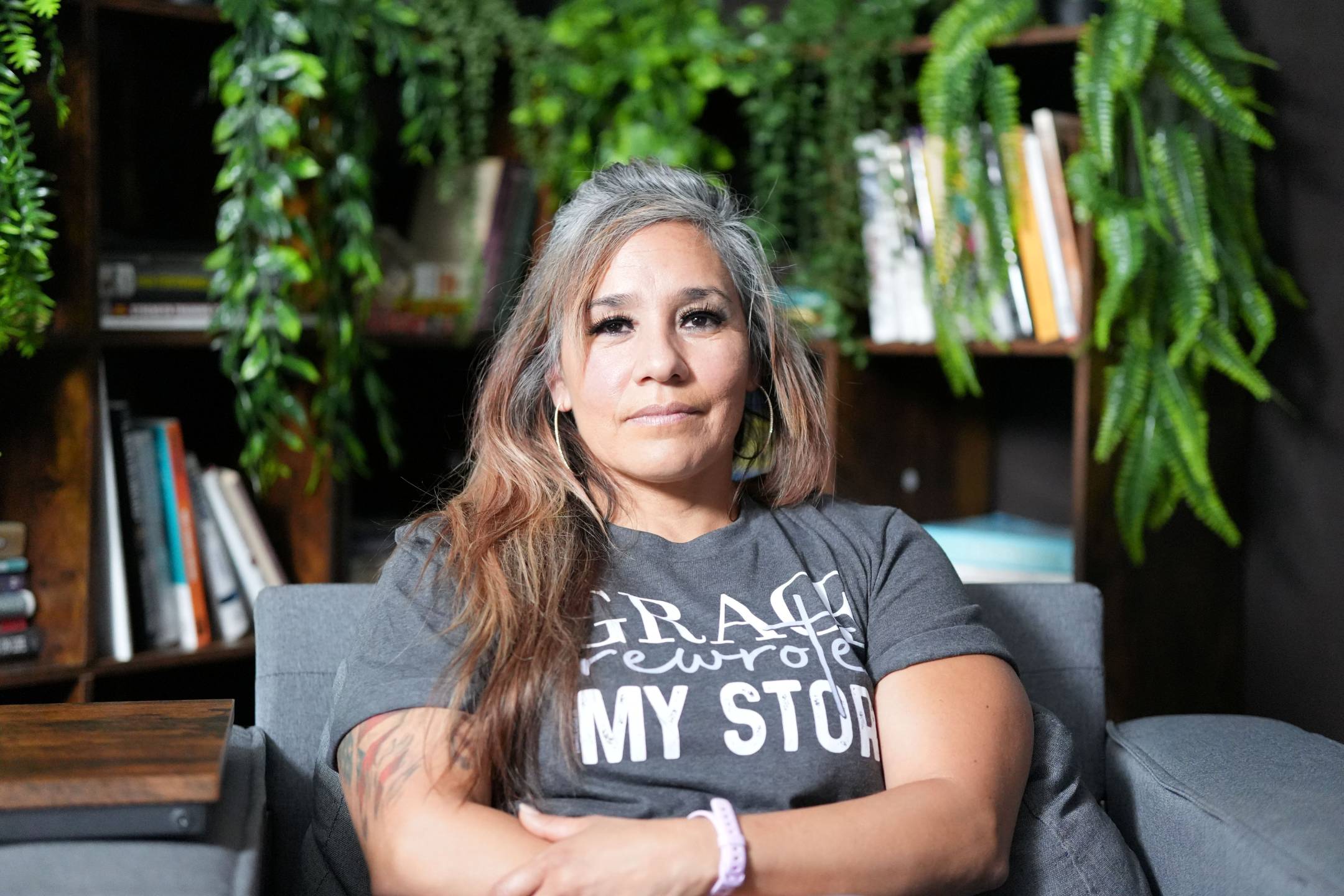
If You Recognize This Room
If you recognize yourself somewhere in this conversation, I wouldn't start by asking, "What's wrong with me?"
I would start by getting curious about what your emotional disconnection has been doing for you.
Pay attention to when you shut down.
Maybe conflict makes you immediately go quiet. Maybe sadness becomes anger. Maybe you stay incredibly busy whenever life slows down enough for uncomfortable thoughts to surface. Maybe someone asks how you're doing and "I'm good" comes out before you've even considered the question.
Start noticing the pattern without immediately trying to change it.
Ask yourself what you're protecting yourself from.
Sometimes we aren't avoiding an emotion because we're incapable of feeling it. We're avoiding what we believe might happen if we allow ourselves to feel it.
Will I lose control?
Will someone use this against me?
Will I become weak?
Will I fall apart?
Will I have to acknowledge something I've spent years trying not to think about?
Those questions can tell you a lot about why the armor is still there.
Practice naming what you're experiencing.
You don't have to go from emotionally disconnected to completely vulnerable overnight.
Start smaller.
Instead of "I'm fine," maybe the answer is frustrated. Disappointed. Scared. Lonely. Overwhelmed. Hurt. Ashamed. Grieving.
Being able to identify an emotion gives you an opportunity to decide what you want to do with it instead of automatically pushing it away.
Notice whether an old survival strategy is creating new problems.
Something can protect you in one environment and hurt you in another.
Ask yourself whether emotional distance is affecting your relationships, parenting, friendships, sleep, work, anger, ability to experience joy, or willingness to allow other people to know you.
You may discover that the armor still works.
It just isn't protecting you from the same thing anymore.
Consider talking with a therapist.
You don't have to wait until everything falls apart.
Therapy can give you a place to understand where some of these patterns started, what they protected you from, what continues to trigger them, and whether they still fit the life you're living now.
For some people, particularly those who have experienced trauma, trying to force yourself to revisit everything alone can become overwhelming. A licensed mental health professional can help you approach difficult experiences at a pace that allows you to build emotional awareness and coping skills while also paying attention to your sense of safety.
And if emotional numbness, nightmares, intrusive memories, anxiety, anger, avoidance, relationship difficulties, sleep problems, or other symptoms are beginning to interfere with your ability to function, that is worth taking seriously.
Talking with a therapist isn't about somebody taking your armor away from you.
Sometimes it's about understanding why you built it, appreciating what it helped you survive, and figuring out whether you still need to wear all of it.
If You See This in Someone You Love
There is another side to this conversation.
Sometimes you're not the person who disconnects.
You're the person trying to love them.
That can be difficult because emotional distance can feel personal. Someone shutting down may feel like rejection. Their inability to talk about something may look like they don't care. Their independence may leave you wondering whether there is actually room for you in their life.
Try not to assume you know what the distance means.
Ask.
Create opportunities for conversation without demanding vulnerability on your timeline. Be consistent. Listen when they do open up instead of immediately trying to fix what they tell you.
At the same time, understanding someone's history does not mean abandoning your own needs or boundaries.
You can have compassion for why someone developed emotional armor while still acknowledging how their behavior affects you.
You also cannot do another person's emotional work for them.
You can encourage them. You can support them. You can offer to help them find a therapist if they're open to it.
You can even consider therapy yourself if loving someone who is emotionally disconnected has begun affecting your own mental or emotional health.
But ultimately, they have to decide when they're ready to look inside the room.
Ruth's story shows us an extreme version of something many people experience in quieter ways. She learned how to separate herself from emotions when the circumstances around her demanded it. Eventually, she had to figure out who she was outside of the identity and environment that had reinforced that way of surviving.
There is much more to Ruth's story than what we could explore here. In the full conversation, she talks about combat, motherhood, relationships, faith, identity, and what happened when the strength that helped her survive could no longer answer every question in her life.
If you've ever wondered what happens to the parts of ourselves we put away because we didn't have time, safety, or space to deal with them, I encourage you to hear Ruth tell that story in her own words.
When you clean your room, you can change your life.
Payton Hogan MS, LIMHP