
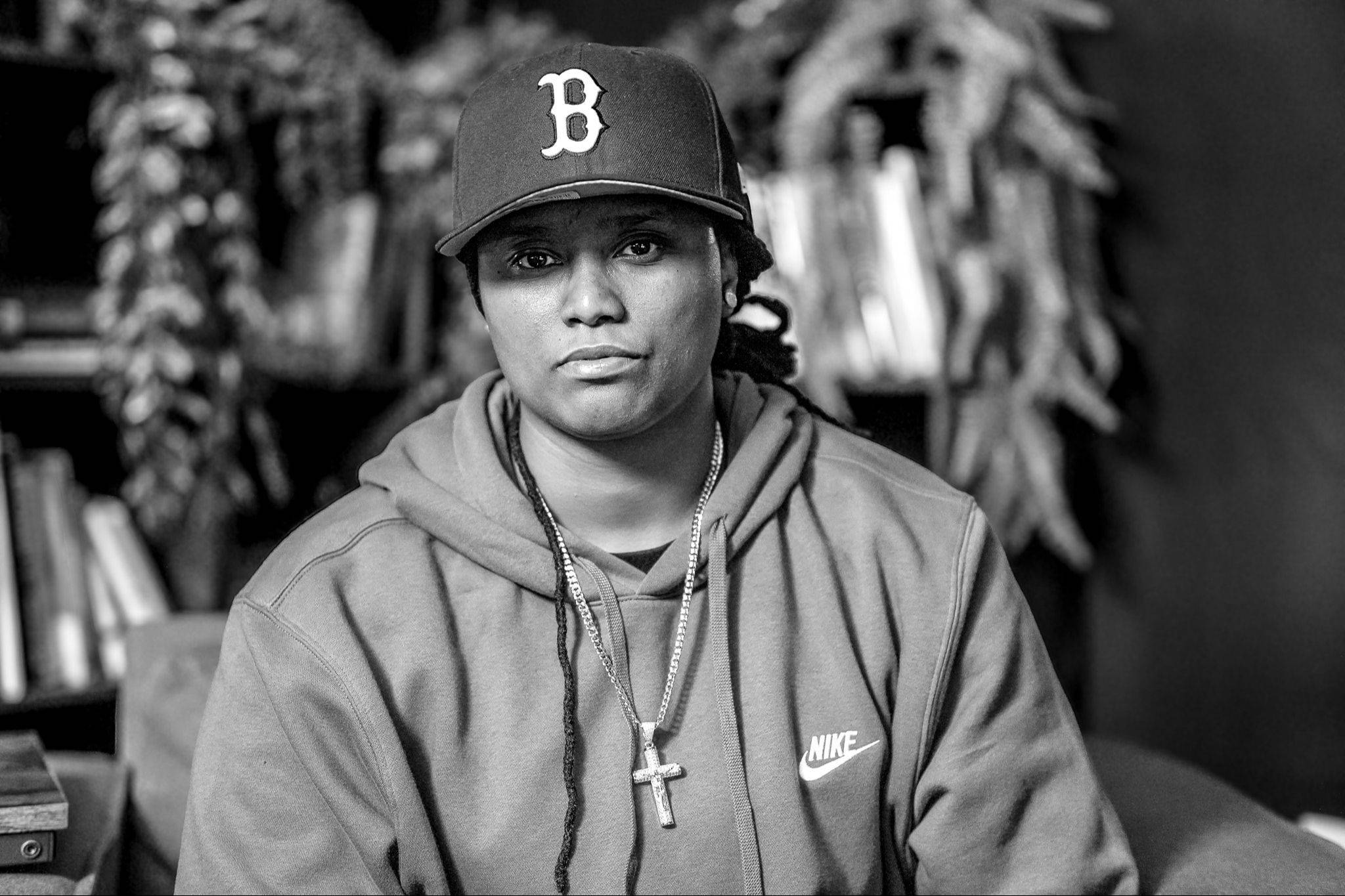
I Became a Drug Dealer To Feel Powerful
Be' You
Before Be'You ever became a drug dealer, she was a little girl watching the world around her and learning what power looked like.
The people she saw with money had nice cars, nice clothes, jewelry, and the freedom to seemingly do what they wanted. Many of them sold drugs. Drinking was normal. Marijuana was normal. The streets were not some distant world she discovered later in life. They were part of the environment teaching her what adulthood, success, and survival looked like.
By five years old, Be'You remembers wanting to become a drug dealer. By 16, she had started selling drugs herself.
But money alone does not explain her story.
Her father had money, but he wasn't present. Looking back, Be'You describes feeling abandoned, unimportant, unwanted, and unchosen. The lifestyle offered something those feelings did not. Drugs, money, control, and eventually pimping made her feel wanted.
More importantly, they made her feel powerful.
There was also another side of her that wanted to provide and protect. She made music. She cut hair. She created clothing. She worked constantly. She helped people around her. She wanted to become somebody and bring other people with her.
But somewhere along the way, protection and harm began occupying the same space.
The person trying desperately not to be powerless had become someone Be'You now describes as arrogant, intolerant, selfish, and difficult to approach.
Eventually, federal prison removed nearly everything that had once made her feel powerful.
The money was gone. The lifestyle was gone. The people were gone.
And in that absence, she was forced to confront a much more uncomfortable question:
What if some of the things she had used to protect herself and the people she loved were also hurting them?
That question changed the way she understood power.
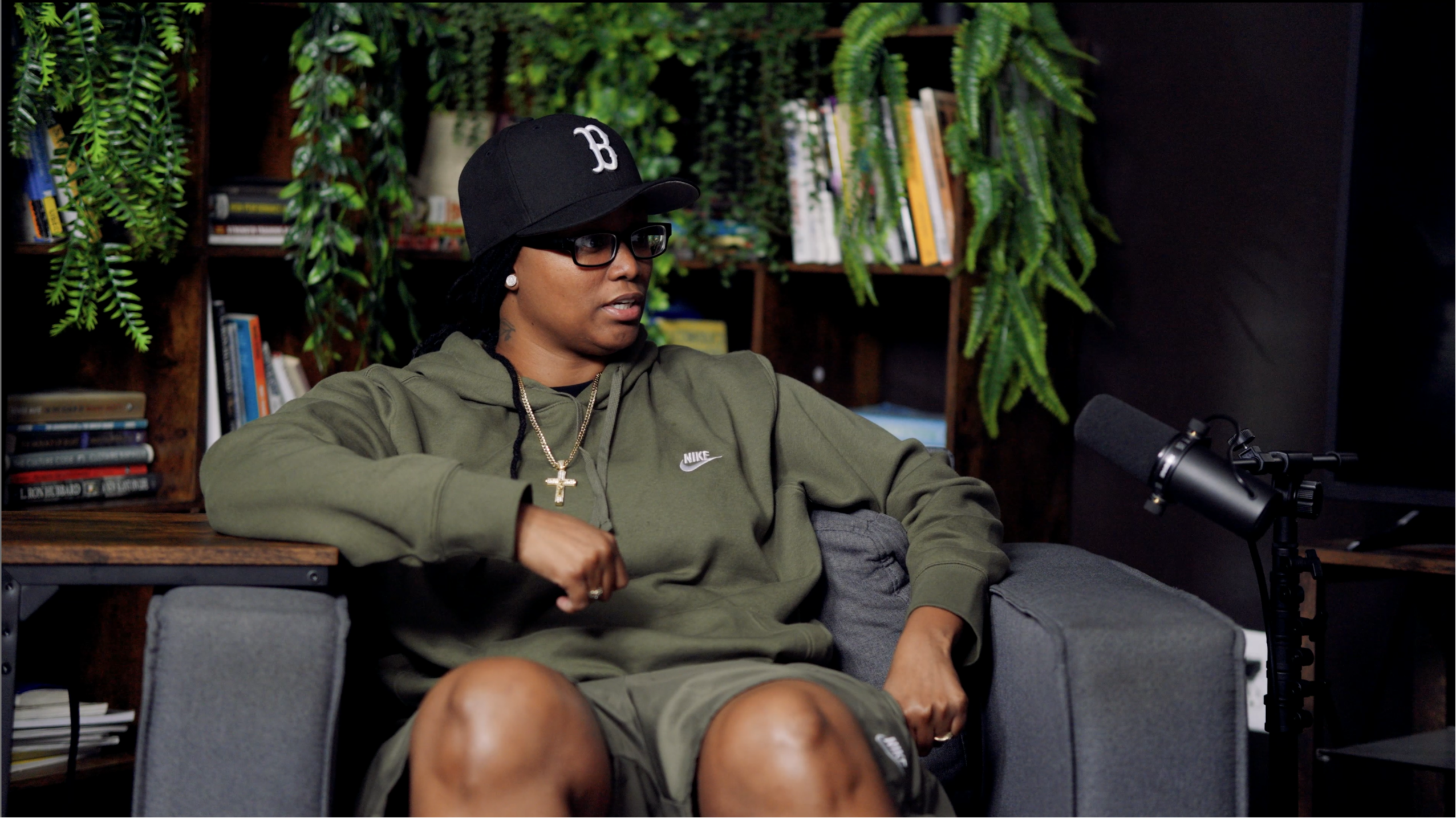
The Room We Clean: Power
Power is an interesting room because most of us don't walk into it thinking we are afraid.
We walk in believing we are becoming stronger.
Maybe you grew up in an environment where being vulnerable meant being taken advantage of. Maybe you watched one parent struggle while another person seemed to have everything. Maybe money meant safety in your house. Maybe being respected meant being feared. Maybe depending on somebody meant eventually being disappointed by them.
Eventually, you start taking notes.
You learn what appears to work.
And sometimes the person you become is an answer to the person you were terrified of remaining.
That is part of what makes Be'You's story worth sitting with.
Her version of power became money, drugs, independence, control, being needed, and eventually being someone other people could not easily tell what to do. Underneath that, however, she describes a much different internal experience: loneliness, fear, trauma, a desire to belong, and a desire to finally feel proud of herself.
Your version of this room may look nothing like hers.
You might build a career.
You might become the person everybody calls when something goes wrong.
You might make enough money that you never have to ask anybody for anything.
You might control your relationships.
You might refuse to apologize.
You might leave people before they have the opportunity to leave you.
You might become so accomplished, independent, intimidating, useful, or emotionally unavailable that nobody ever gets the opportunity to make you feel small again.
And some of those things may actually help you succeed.
That's what makes this room complicated.
Armor works.
The problem is that after wearing it long enough, it can become difficult to remember what you originally needed protection from.
One of the most interesting parts of Be'You's story is that prison did not simply teach her that selling drugs was illegal. She already knew that.
It forced her to reconsider what her choices were doing to other people.
She describes watching people withdraw from drugs, watching families experience the consequences of addiction, and eventually thinking about the ripple effect of the products she once viewed primarily as a way to make money.
Later in the conversation, she says something that completely reframes the girl who once chased power through money and control.
Accountability, she says, gave her some of her power back.
Instead of only asking what someone else had done to her, she began asking what part she played in putting herself in the situation.
That is a very different definition of power.
Maybe real power isn't making sure nobody can ever hurt you.
Maybe part of it is developing enough security within yourself that you can look honestly at what hurt you, what you became because of it, and what your own choices have created without needing to run from any of it.
Sometimes cleaning this room means asking yourself a difficult question:
Am I actually powerful, or have I just gotten really good at never letting myself feel powerless?
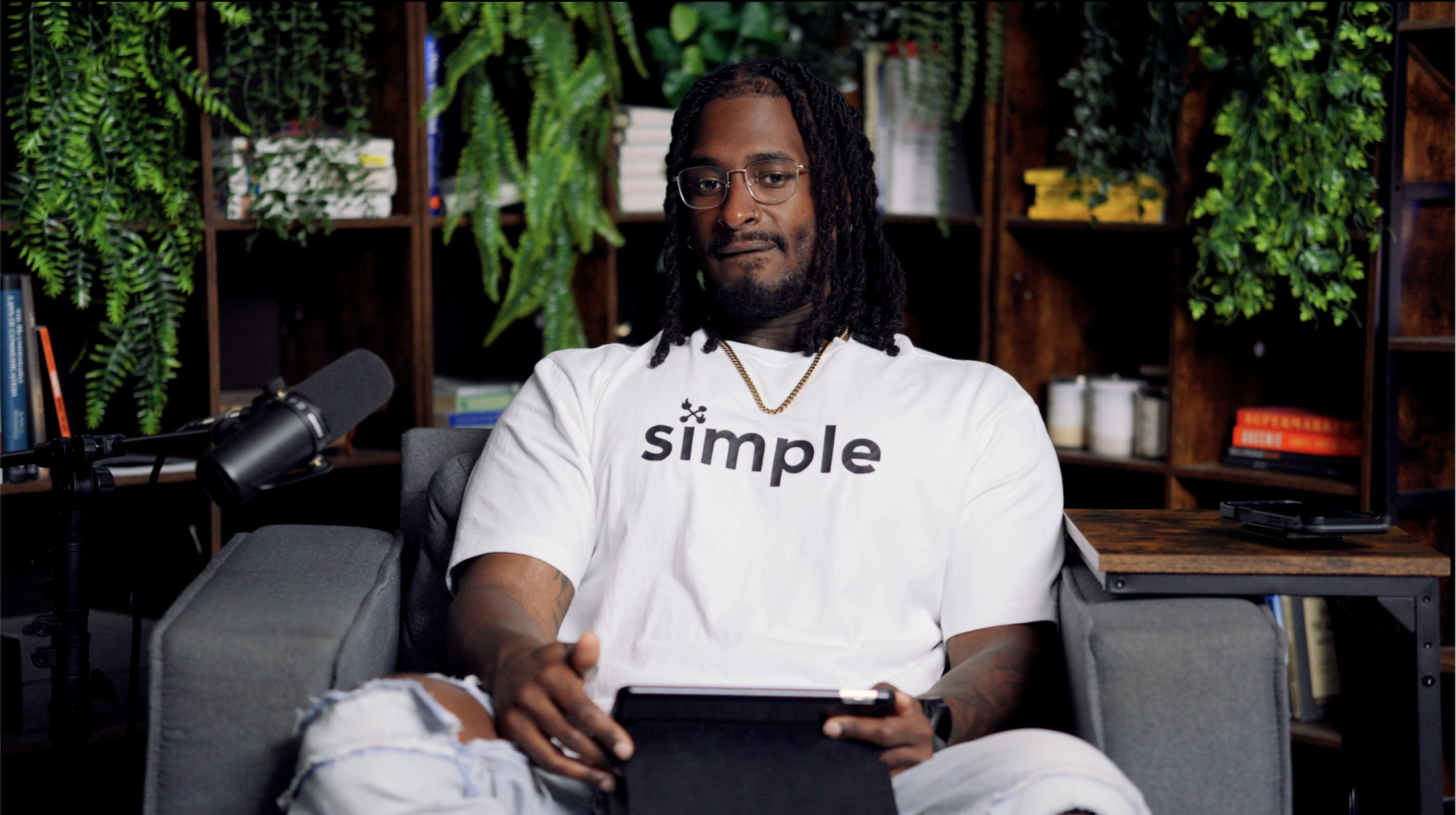
Therapist Perspective
As I listened to Be'You talk about power, one thing kept standing out to me: sometimes what looks like a pursuit of power from the outside begins with an experience of powerlessness on the inside.
That does not mean every person who experiences abandonment, trauma, instability, or rejection will respond the same way. It also does not remove responsibility for the choices someone makes. But our experiences can influence the beliefs we develop about what it takes to survive.
Children are constantly learning what normal looks like.
They learn it from what happens repeatedly around them. They watch how adults handle conflict, money, emotions, relationships, substances, stress, success, and failure. They notice who seems respected. They notice who seems afraid. They notice who has resources and who does not.
Eventually, those observations can become beliefs.
Be'You describes growing up around people who sold drugs and appeared to have money, cars, clothes, and happiness. She remembers wanting that lifestyle from an incredibly young age.
From my perspective as a therapist, this is where I think we have to be careful about confusing understanding with excusing.
Understanding where a belief came from does not mean you are required to continue living by it.
That's actually where accountability becomes important.
One of the more interesting tensions in Be'You's story is that she describes genuinely wanting to help, provide for, and protect people. But she eventually had to confront the possibility that some of the ways she was helping people were also contributing to harm.
I think many of us can find ourselves somewhere inside that contradiction.
You can love someone and enable them.
You can want to protect your child and become controlling.
You can provide financially for your family while being emotionally unavailable to them.
You can try to keep a relationship together so desperately that you stop respecting another person's boundaries.
You can spend your entire life helping everybody around you because being needed is the closest thing you have found to feeling valuable.
Good intentions do not automatically create healthy outcomes.
That can be difficult to accept because accountability is often confused with shame.
I see those as two very different things.
Shame tends to attack identity: There is something wrong with me.
Accountability examines behavior: What did I do, what was within my control, what happened because of it, and what can I choose differently next time?
Be'You eventually reaches a similar realization. Regardless of who cooperated against her, what happened during the investigation, or how betrayed she felt, she began recognizing that her own decisions had placed her in circumstances where those consequences became possible.
There is something psychologically important about that shift.
If everything happening in my life is entirely because of somebody else, then somebody else also holds all of the power to change it.
Accountability gives some of that agency back.
Not because everything that happened to you was your fault. It wasn't.
But because there may still be something you can choose now.
And sometimes that choice means becoming someone different from the person you learned to be.
That creates another problem we don't talk about enough.
Growth can be lonely.
Be'You came home after six years and discovered that changing internally did not mean the environment around her had changed with her. She describes relationships no longer fitting, conversations feeling different, people expecting an older version of her, and the difficult process of figuring out where she belongs now.
There can be a strange middle ground in change where you no longer belong comfortably in the room you left, but you haven't completely found the next room yet.
That does not necessarily mean you're going backward.
Sometimes you're simply between identities.
The challenge is learning how to tolerate that uncertainty without reaching backward for something familiar simply because familiar feels less lonely.
If You Recognize This Room
If some part of this conversation feels familiar, your version of the room probably looks different from Be'You's.
Cleaning it begins by getting curious about your own definition of power.
Ask yourself what power means to you.
Is it money? Control? Independence? Being respected? Being needed? Never needing help? Being the smartest person in the room? Having the final say? Achievement? Making sure nobody can leave you?
Then ask a harder question:
Where did I learn that?
Sometimes the beliefs directing our adult lives were formed by much younger versions of ourselves.
You can also begin paying attention to the moments when you feel most powerless. Notice what happens next. Do you become angry? Withdraw? Spend money? Work harder? Control someone? Shut down emotionally? Reach for substances? Seek validation? Become defensive?
The behavior may be different, but there is often something underneath it worth understanding.
Next, examine the difference between your intentions and your impact.
You may genuinely be trying to help, protect, provide, lead, love, or keep everything together. Ask the people closest to you how your behavior actually feels on the receiving end.
That can be uncomfortable information.
Try to listen anyway.
Then practice accountability without turning it into self-punishment.
You can acknowledge something you did without deciding that behavior defines your entire identity. Ask yourself:
What part of this belongs to me?
What part doesn't?
What can I do differently now?
That is very different from carrying responsibility for everything.
Finally, give yourself permission to outgrow environments, relationships, and identities that reinforce a version of yourself you are actively trying to change.
That may create loneliness.
It may also require building new relationships slowly instead of returning to old ones simply because they are available.
And if you recognize patterns connected to abandonment, trauma, substance use, anger, control, relationships, self-worth, or experiences from childhood that continue affecting your life today, consider talking with a therapist.
Therapy can give you somewhere to examine where these beliefs started, what they once protected you from, and whether they are still serving the person you are trying to become.
You don't have to wait until your life falls apart to become curious about why you live the way you do.
Sometimes cleaning the room starts much earlier.
It starts when you finally ask:
What am I protecting, and what has protecting it been costing me?
There is much more to Be'You's story than drug dealing, prison, or the consequences that followed. The full conversation explores the environment that shaped her, the people she tried to protect, the harm she eventually had to confront, the isolation of incarceration, her changing relationship with faith, and the complicated reality of returning home as someone different from the person who left.
If you've ever had to question whether the version of yourself that helped you survive is still the version you want leading your life, I think there is something in this conversation worth sitting with.
When you clean your room, you can change your life.
Payton Hogan MS, LIMHP